Standard bonded seals
Metal washer and molded elastomer lip for general bolted static sealing.

Bonded sealing washers for hydraulic, pneumatic and industrial connections—available in metric, BSP and KDS sizes, with custom material and dimensional review.
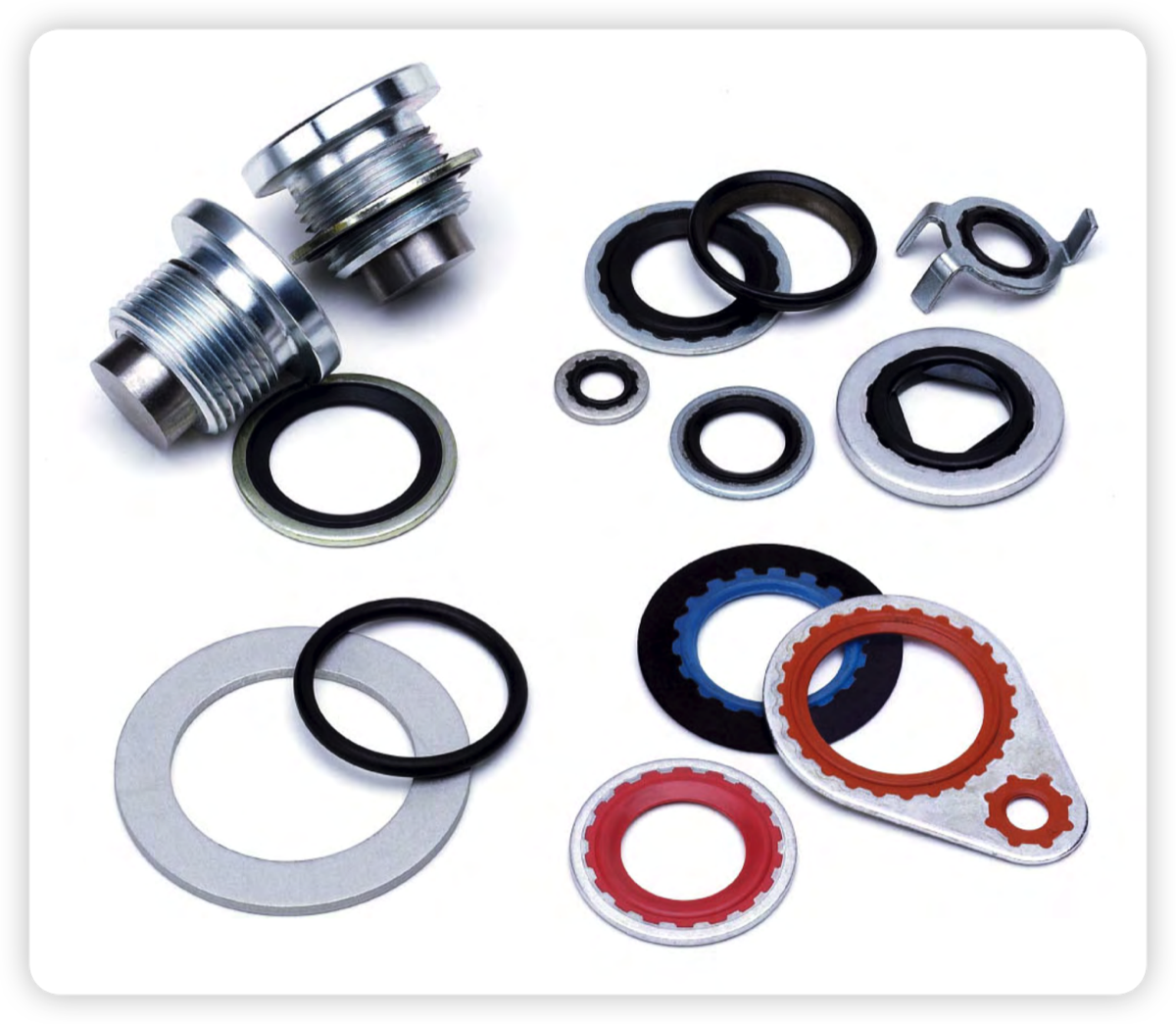
These categories describe common sourcing routes. Final confirmation is made from the connection, dimensions and operating duty.
Metal washer and molded elastomer lip for general bolted static sealing.
An inner locating lip helps position the washer concentrically during assembly.
Bonded washers matched to common BSP hydraulic ports and fitting sizes.
View BSP sizes →Metric PPM and KDS references for threaded industrial connections.
View metric sizes →Non-listed dimensions, elastomers, washer metals and finishes reviewed from a drawing or sample.
Discuss a custom seal →Bonded seals—also called sealing washers or Dowty-type seals—provide static sealing beneath bolt heads and threaded hydraulic connections. The metal ring limits compression and carries the clamp load; the molded elastomer lip closes the leakage path.
Self-centering versions add an inner locating feature that helps position the seal on the thread before tightening. This can make repetitive fitting assembly more consistent, particularly where the seal is difficult to hold by hand.
Use the searchable dimensions below to shortlist a standard part. If the installed seal is unmarked, send its thread, washer dimensions, a drawing or a sample for review.
All values are millimetres. Letters match the usual bonded-seal drawing: inside, outside, metal thickness, washer ID and self-centering ID.
| Auter ref. | Metric thread size | Inside diameterC | Outside diameterA | Metal thicknessE | Metal washer IDB | ID between self-centeringF |
|---|---|---|---|---|---|---|
| 603 | PPM5 | 5.70 | 9.00 | 1.00 | 6.80 | 4.50 |
| 606 | PPM6 | 6.70 | 10.00 | 1.00 | 8.00 | 4.70 |
| 612 | PPM8 | 8.70 | 13.00 | 1.00 | 10.00 | 6.40 |
| 617 | PPM10 | 10.70 | 16.00 | 1.50 | 12.40 | 8.05 |
| 622 | PPM12 | 12.70 | 18.00 | 1.50 | 14.30 | 9.73 |
| 627 | PPM14 | 14.70 | 22.00 | 1.50 | 16.40 | 11.38 |
| 629 | PPM16 | 16.70 | 24.00 | 1.50 | 18.40 | 13.41 |
| 632 | PPM18 | 18.70 | 26.00 | 1.50 | 20.40 | 14.76 |
| 633 | PPM20 | 20.70 | 28.00 | 1.50 | 22.50 | 16.76 |
| 636 | PPM22 | 22.70 | 30.00 | 2.00 | 24.40 | 18.74 |
| 638 | PPM24 | 24.70 | 32.00 | 2.00 | 26.40 | 20.11 |
| 640 | PPM27 | 27.20 | 36.00 | 2.00 | 29.00 | 23.30 |
| 642 | PPM30 | 31.00 | 39.00 | 2.00 | 33.00 | 25.70 |
| 643 | PPM33 | 33.70 | 42.00 | 2.00 | 35.80 | 28.70 |
| 645 | PPM36 | 36.70 | 46.00 | 2.00 | 38.80 | 31.10 |
| 646 | PPM39 | 39.70 | 51.00 | 2.00 | 40.00 | 34.10 |
| 647 | PPM42 | 42.70 | 53.00 | 2.00 | 45.70 | 38.70 |
| 649 | PPM48 | 48.70 | 60.00 | 2.00 | 51.70 | 43.70 |
| 650 | PPM52 | 52.70 | 66.00 | 2.00 | 56.40 | 48.20 |
| 651 | PPM60 | 60.70 | 75.00 | 2.00 | 63.00 | 56.20 |
| Auter ref. | BSP thread size | Inside diameterC | Outside diameterA | Metal thicknessE | Metal washer IDB | ID between self-centeringF |
|---|---|---|---|---|---|---|
| 820 | 1/8 BSP | 10.37 | 15.88 | 2.00 | 11.84 | 8.26 |
| 821 | 1/4 BSP | 13.74 | 20.57 | 2.00 | 15.21 | 11.18 |
| 823 | 3/8 BSP | 17.28 | 23.80 | 2.00 | 18.75 | 14.76 |
| 825 | 1/2 BSP | 21.54 | 28.58 | 2.50 | 23.01 | 18.24 |
| 826 | 5/8 BSP | 23.49 | 31.75 | 2.50 | 34.97 | 20.60 |
| 827 | 3/4 BSP | 27.05 | 34.93 | 2.50 | 28.53 | 23.83 |
| 829 | 7/8 BSP | 30.81 | 38.10 | 2.50 | 32.29 | 27.89 |
| 830 | 1 BSP | 33.89 | 42.80 | 3.20 | 36.88 | 29.92 |
| 832 | 1 1/4 BSP | 42.93 | 52.38 | 3.20 | 45.93 | 38.45 |
| 833 | 1 1/2 BSP | 48.44 | 58.60 | 3.20 | 51.39 | 44.45 |
| 836 | 2 BSP | 60.58 | 73.03 | 3.20 | 63.63 | 56.26 |
| Auter ref. | Thread size | Inside diameterD1 | Outside diameterD3 | Metal thicknessL1 | Metal washer IDB | ID between self-centeringF |
|---|---|---|---|---|---|---|
| KDS10 | M10-G1/8 | 10.30 | 16.00 | 2.50 | 13.10 | 8.30 |
| KDS12 | M12 | 12.30 | 18.00 | 3.00 | 15.10 | 10.30 |
| KDS14 | M14-G1/4 | 14.30 | 20.00 | 3.00 | 17.10 | 12.30 |
| KDS16 | M16-G3/8 | 17.00 | 24.00 | 3.00 | 19.80 | 15.00 |
| KDS18 | M18 | 18.30 | 23.90 | 3.00 | 21.10 | 16.30 |
| KDS22 | M22-G1/2 | 22.30 | 30.00 | 4.50 | 25.10 | 20.30 |
| KDS26 | M26 | 26.30 | 35.00 | 3.50 | 29.40 | 24.00 |
| KDS27 | M27-G3/4 | 27.30 | 38.00 | 3.50 | 30.40 | 25.00 |
| KDS33 | M33-G1 | 33.60 | 42.00 | 3.50 | 37.30 | 31.40 |
| KDS42 | M42-G1.1/4 | 42.40 | 49.90 | 3.50 | 46.70 | 40.40 |
| KDS48 | M48-G1.1/2 | 48.40 | 60.00 | 3.50 | 52.70 | 46.40 |
Tightening the fitting applies axial load. The metal washer supports the joint and limits over-compression, while the bonded elastomer deforms against the mating face to close the leakage path.
Both seal static threaded joints, but they create sealing contact differently. Always follow the equipment specification where one construction is prescribed.
| Decision point | Bonded seal | Copper washer |
|---|---|---|
| Sealing mechanism | Controlled elastomer deformation | Plastic deformation of metal |
| Compression control | Metal ring supports and limits the elastomer | Depends on washer deformation and joint load |
| Media selection | Elastomer compatibility must be confirmed | Metal and media compatibility must be confirmed |
| Temperature | Limited by the selected elastomer and bond | Depends on copper grade and joint design |
| Replacement | Replace if disturbed or visibly damaged | Follow the equipment service specification |
| Typical fit | Hydraulic ports, fittings and plugs | Engine, fluid and thermal joints designed for crush washers |
Bonded seals are intended for static joints where a threaded fastener or fitting supplies controlled compression.
Ports, adaptors, hose connections and tube fittings where fluid must be retained at the threaded interface.
Drain plugs, pressure connections, inspection points and service ports in fluid-control equipment.
Compact hydraulic blocks with multiple bolted connections and limited space around the sealing face.
Static fluid connections used in construction, agricultural, mining and material-handling machinery.
The sealing lip and support washer do different jobs, so both sides of the construction should be reviewed. Media, temperature and pressure guide the elastomer choice; corrosion exposure, hardware and assembly requirements guide the washer material and finish.
| Option | Useful starting point | Confirm before selection |
|---|---|---|
| NBR | General hydraulic oil service | Fluid, temperature and outdoor exposure |
| FKM | Higher-temperature or chemically demanding service | Exact chemical and low-temperature needs |
| Carbon steel ring | General industrial fittings | Corrosion protection and coating requirement |
| Stainless steel ring | Corrosive or washdown environments | Grade, mating hardware and galvanic conditions |
A useful quotation fixes the washer, elastomer, bond, dimensions and inspection requirement before samples or production move forward.
Metal grade, dimensions, edge condition and corrosion-protection requirement are aligned to the drawing and application.
NBR, FKM and alternative elastomers are considered against the stated fluid, temperature and environment.
Tooling and the molding route control the sealing geometry and the bond between the two materials.
Dimensions, appearance and agreed documentation are checked against the confirmed specification.
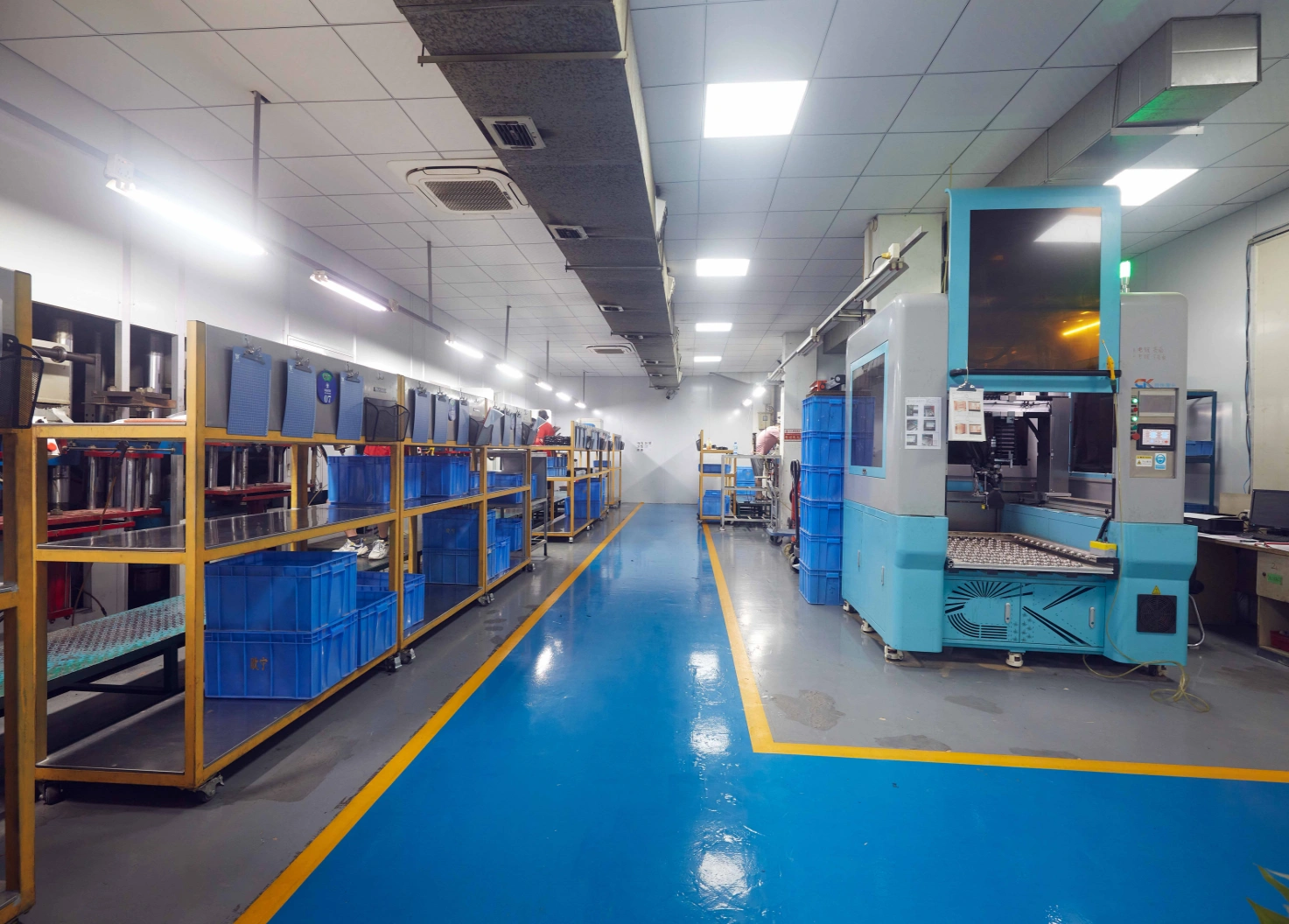
Tooling and compound are confirmed against the product requirement before production.
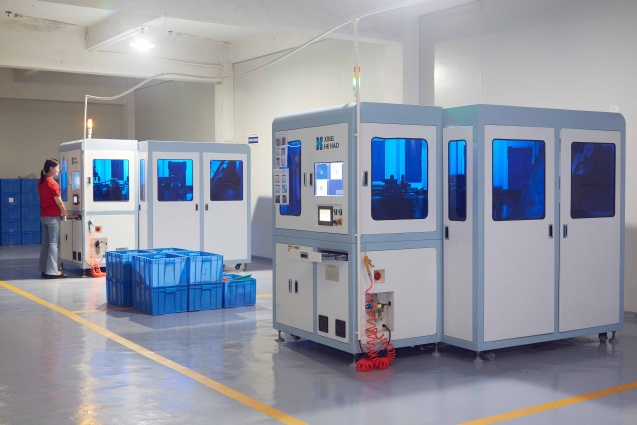
Production lots can receive dimensional or visual inspection alongside laboratory checks.
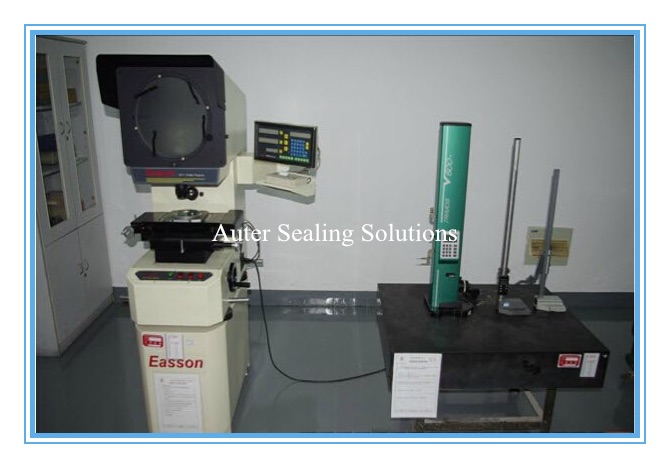
Optical and height-gauge equipment supports checks against drawings and confirmed specifications.
Commercial supply is supported by sealing experience, application review and visible inspection capability—not generic quality claims.
Auter has supplied standard, machined and custom sealing products since 2013.
Dimensions, material, media, pressure and temperature are considered together before confirmation.
Stock bonded seals, samples and non-standard requirements can be handled from one inquiry.
Dimensional, visual, material and environmental checks can be aligned to a specific order.
Record the thread standard and nominal size. Do not assume two similarly sized threads share the same sealing geometry.
Confirm that the face is flat, clean and wide enough to support the metal ring without interference.
Use the table letters to compare the inside diameter, outside diameter and metal thickness with the hardware.
State the media, temperature, pressure and environment so the elastomer and washer can be reviewed together.
A bonded seal combines a metal washer with a vulcanized elastomer sealing lip. The washer carries the tightening load while the elastomer seals around the port or fastener.
A self-centering bonded seal has an additional inner locating lip that helps hold the seal concentrically on the thread during assembly. The mating hardware and application still need to be checked.
NBR is a common starting point for hydraulic oils, while FKM is often considered for higher temperatures or different media. Final selection depends on the exact fluid, temperature, pressure and exposure conditions.
Dowty seal is a widely used industry term for a bonded sealing washer. It describes the same general metal-and-elastomer construction, although dimensions and designs still need to be checked by part.
A bonded seal creates its sealing contact through controlled elastomer deformation, while a copper washer relies on deformation of the metal. The suitable choice depends on the joint, media, temperature and equipment specification.
Replacement is the safer default once a joint has been disturbed. Do not reuse a seal if the elastomer is flattened, cut, hardened, displaced or separated from the washer; follow the equipment maker’s service instructions.
They are commonly used at hydraulic ports and fittings, but pressure capability is application-specific. Thread form, sealing face, dimensions, material, tightening method and pressure cycle must all be reviewed.
Alternative elastomers such as EPDM or HNBR can be reviewed for a defined application. Send the exact media, temperature range, quantity and any approval or documentation requirement.
The BSP table on this page lists sizes from 1/8 BSP through 2 BSP. Confirm the measured hardware and full thread designation before ordering.
Yes. Send the thread designation, inside and outside diameters, washer thickness, elastomer and quantity. A drawing, clear photo or physical sample can also support identification.
Include the Auter reference or thread size, required material, quantity, operating fluid, temperature and pressure. For an existing part, add measured dimensions or a drawing.
Send the size or thread, elastomer, washer material, quantity, application, pressure, temperature, medium and annual demand. Attach or link a drawing in the message when available.