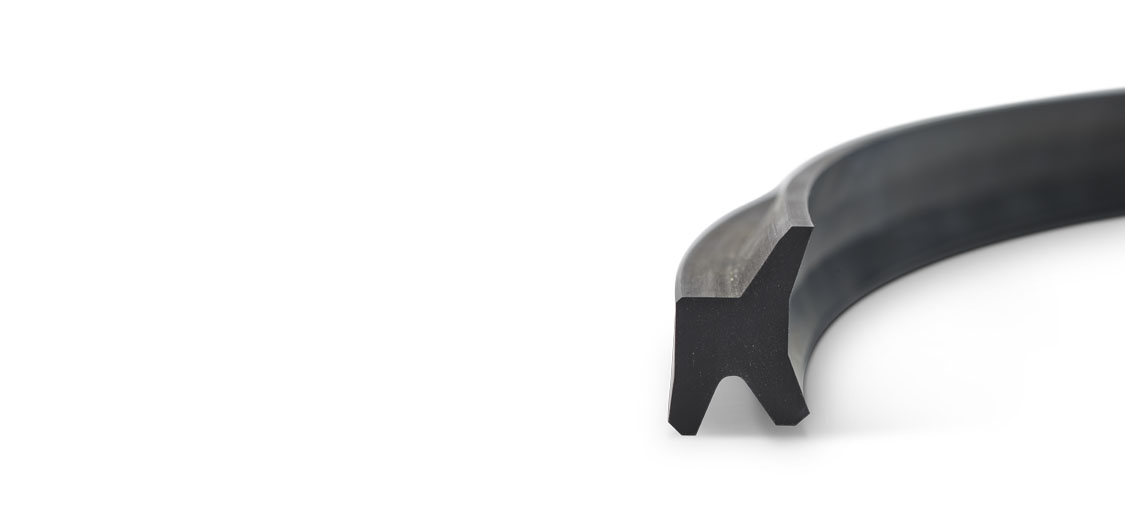
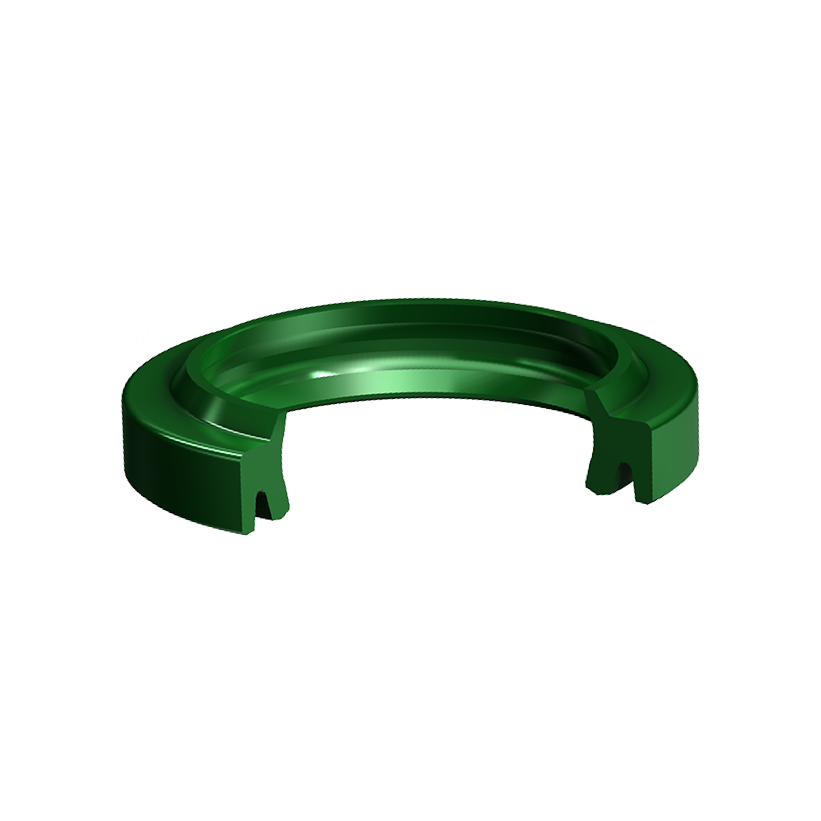
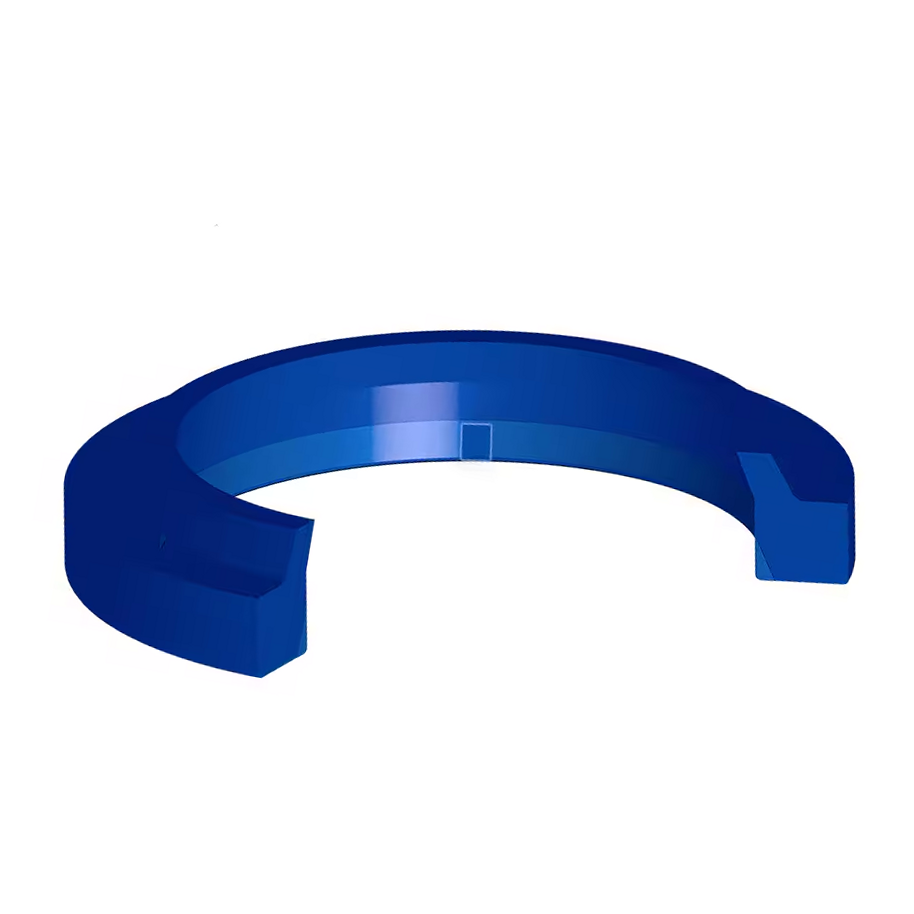
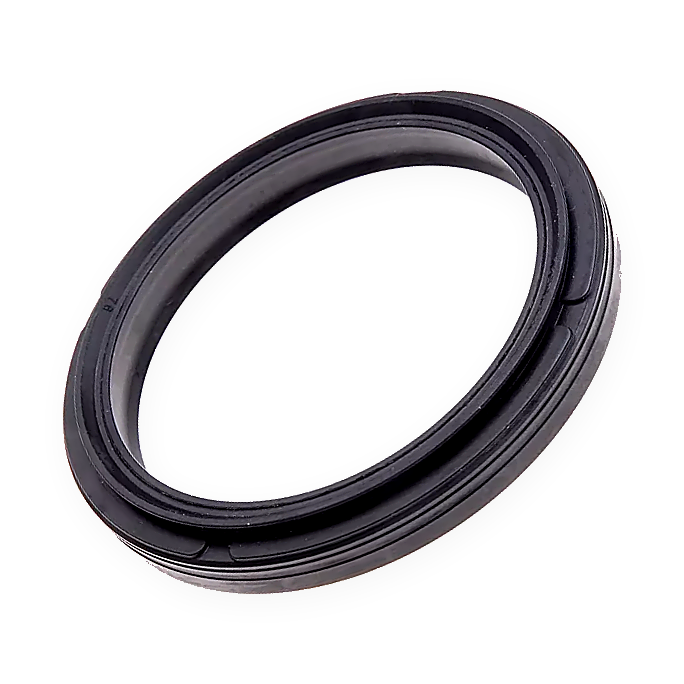
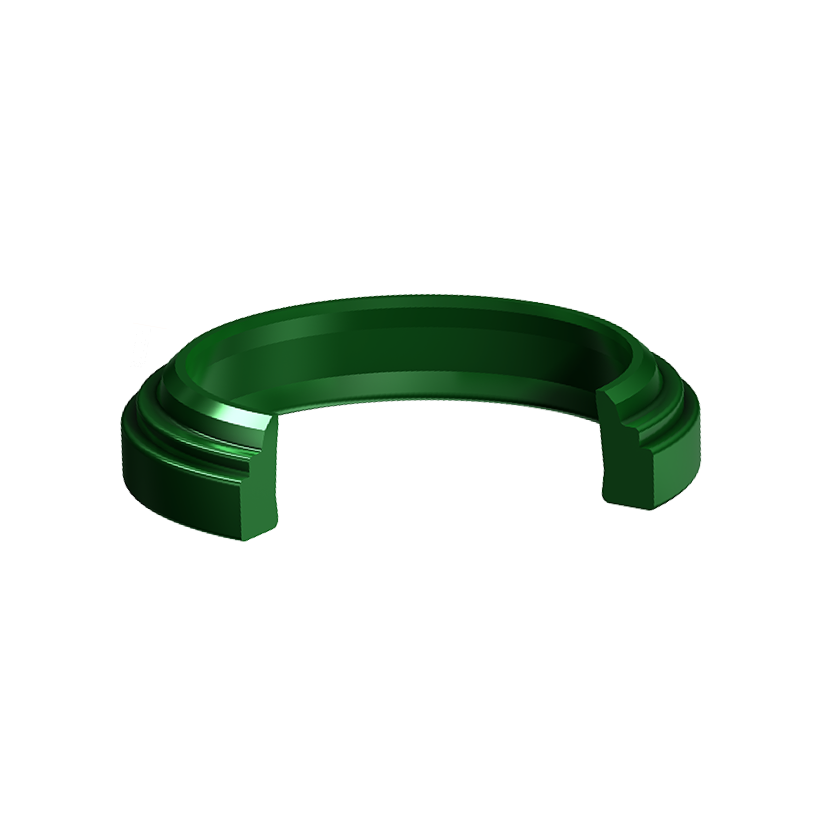
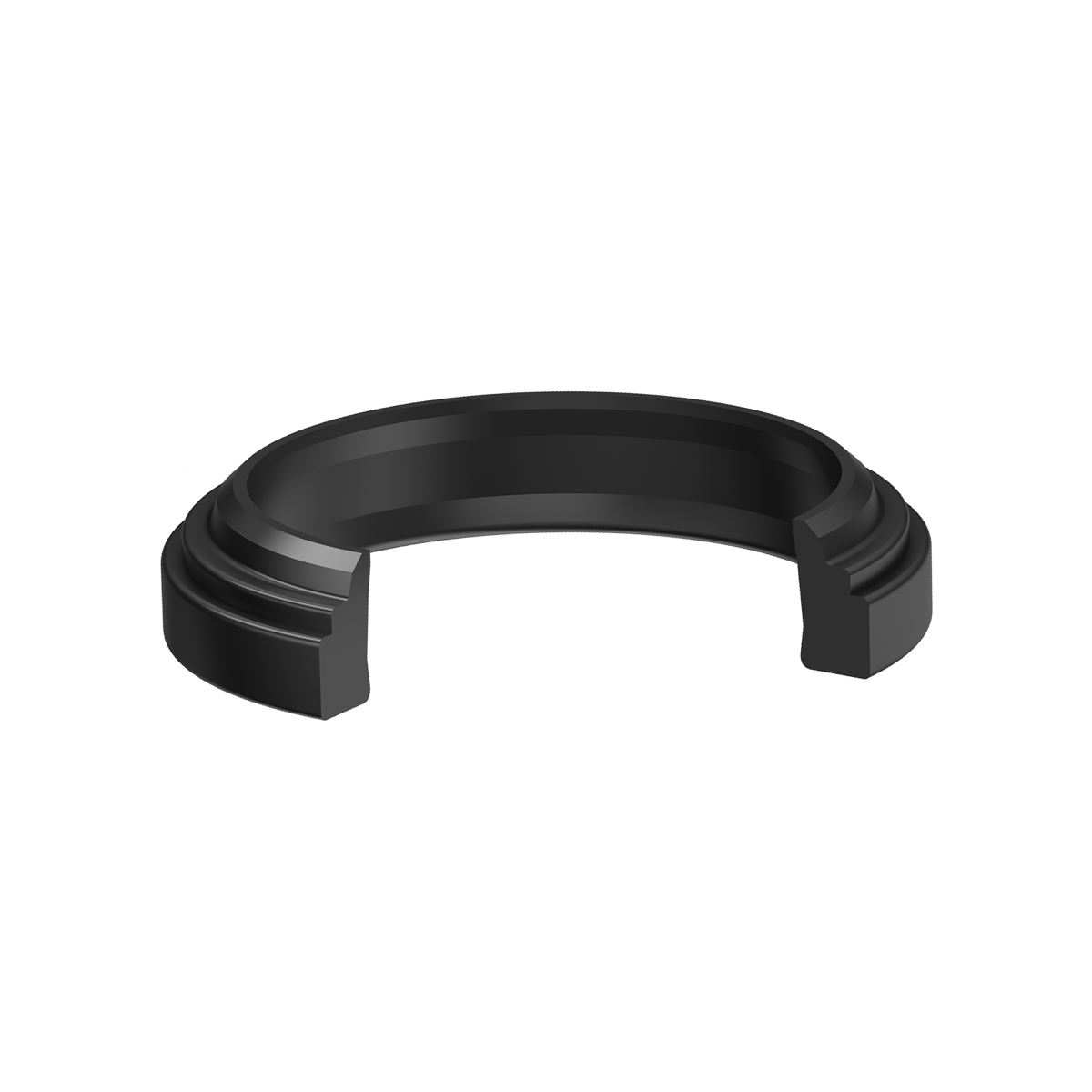
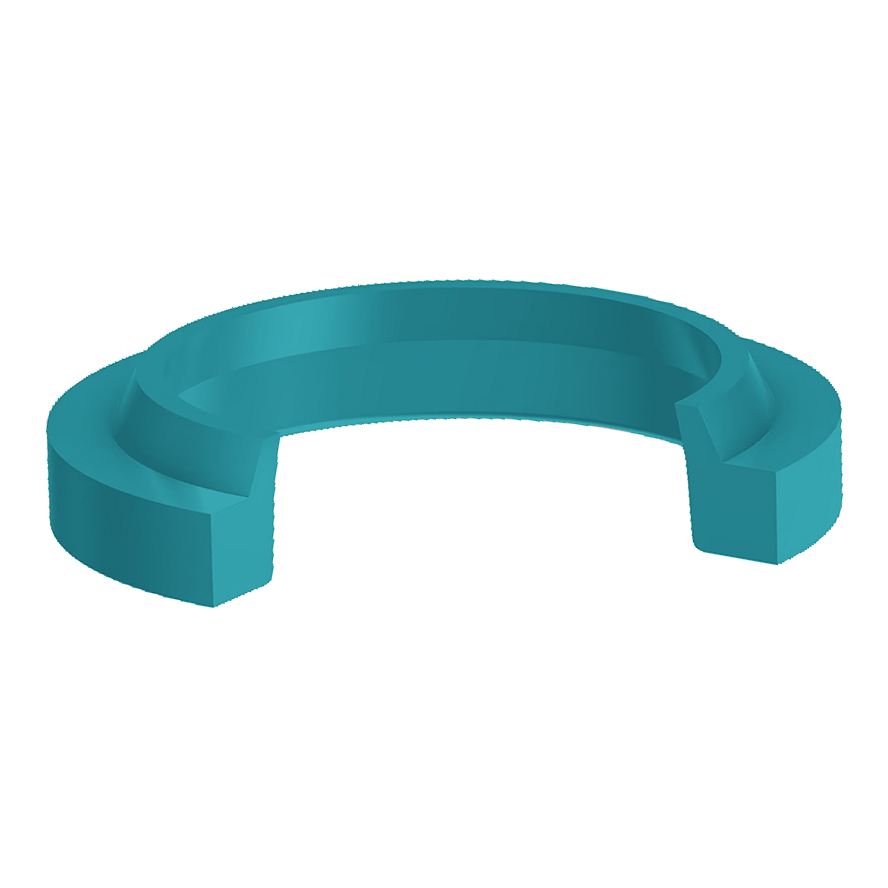
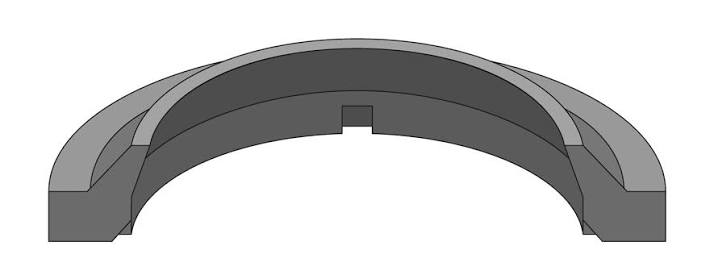
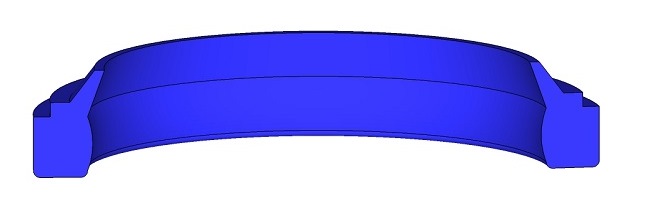
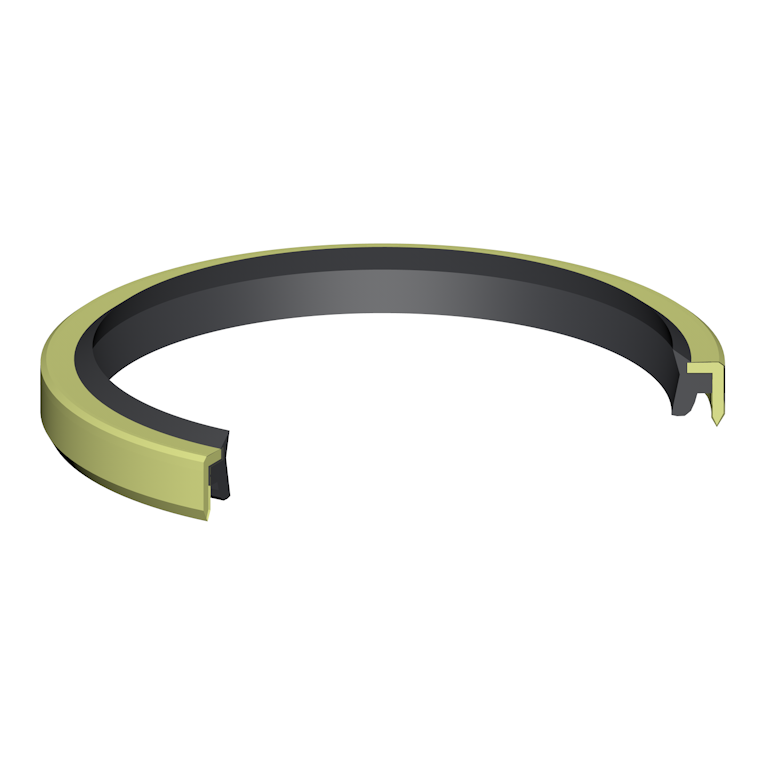
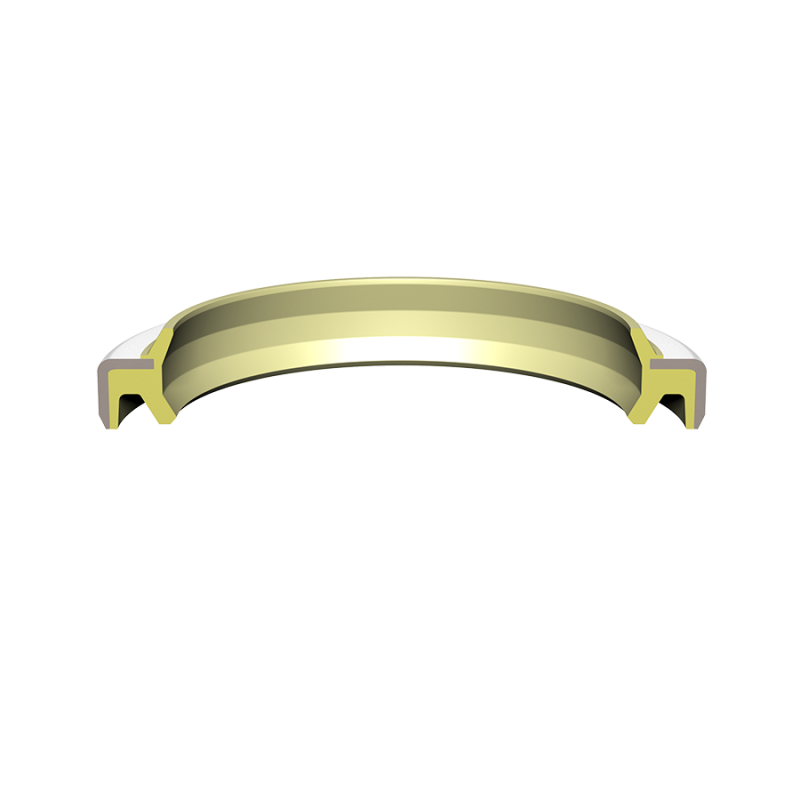
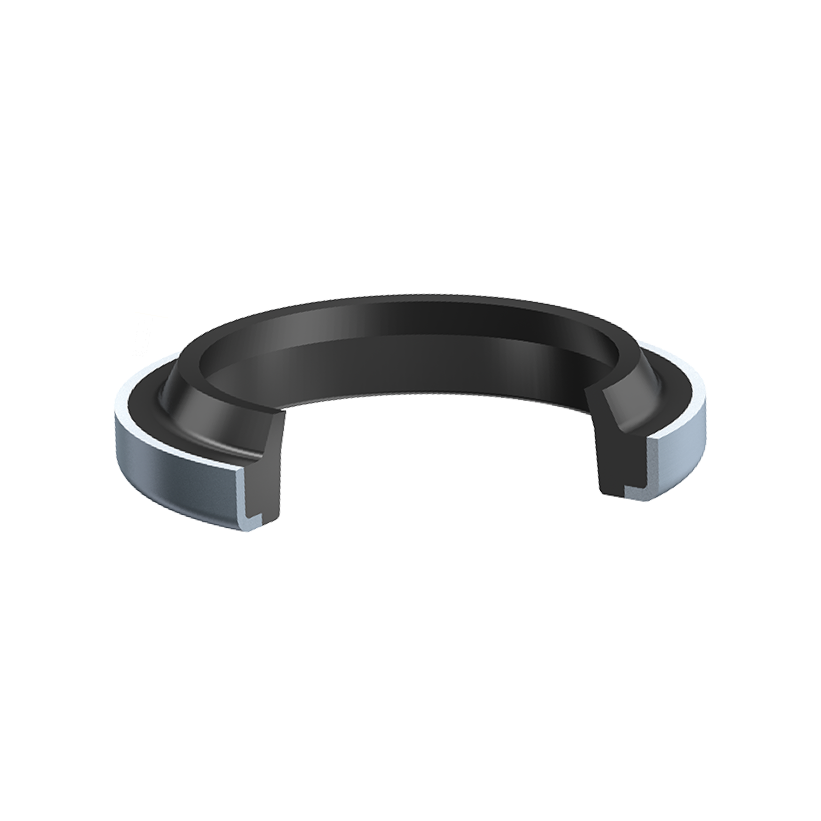
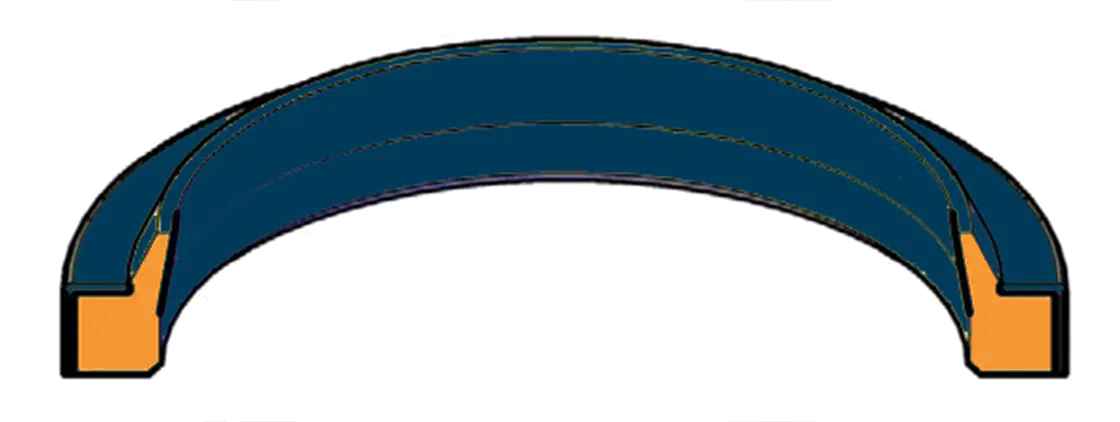
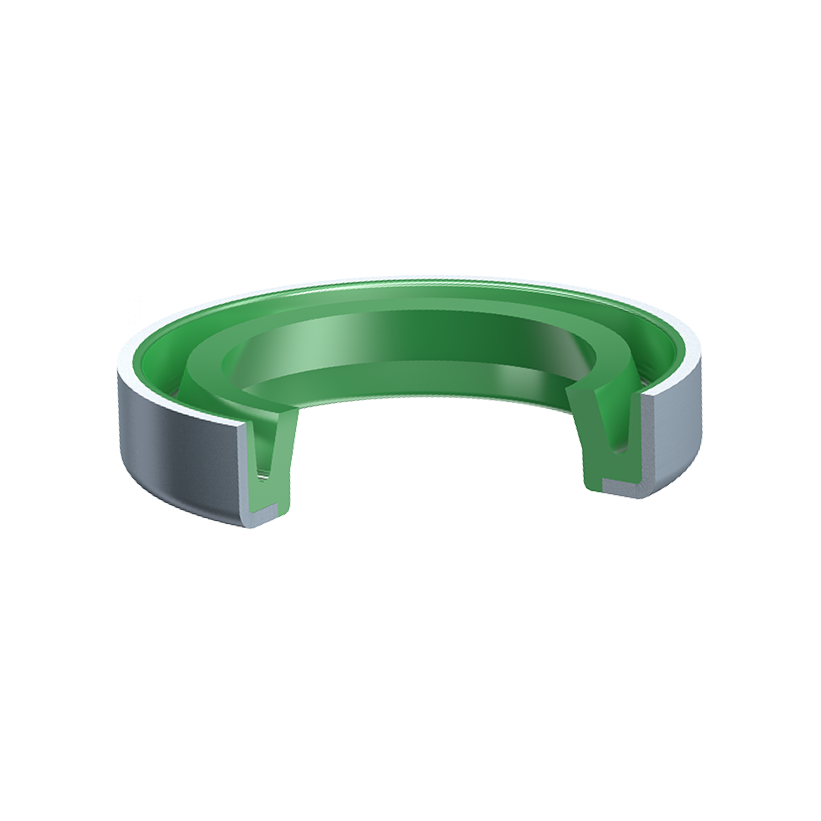
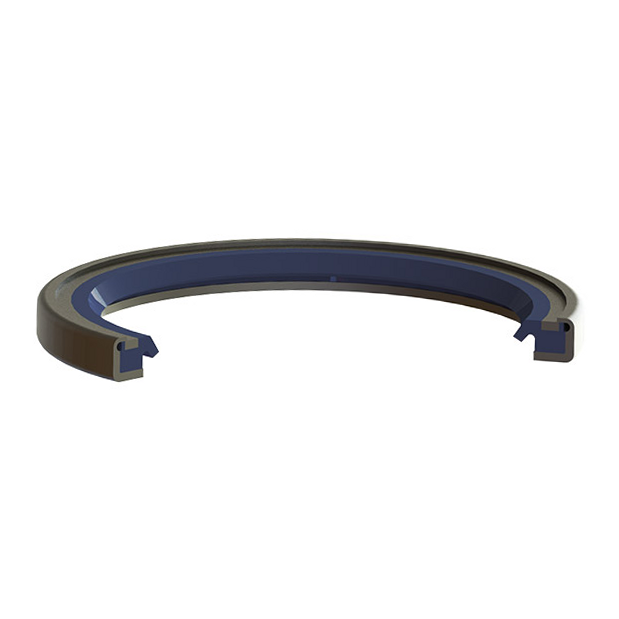
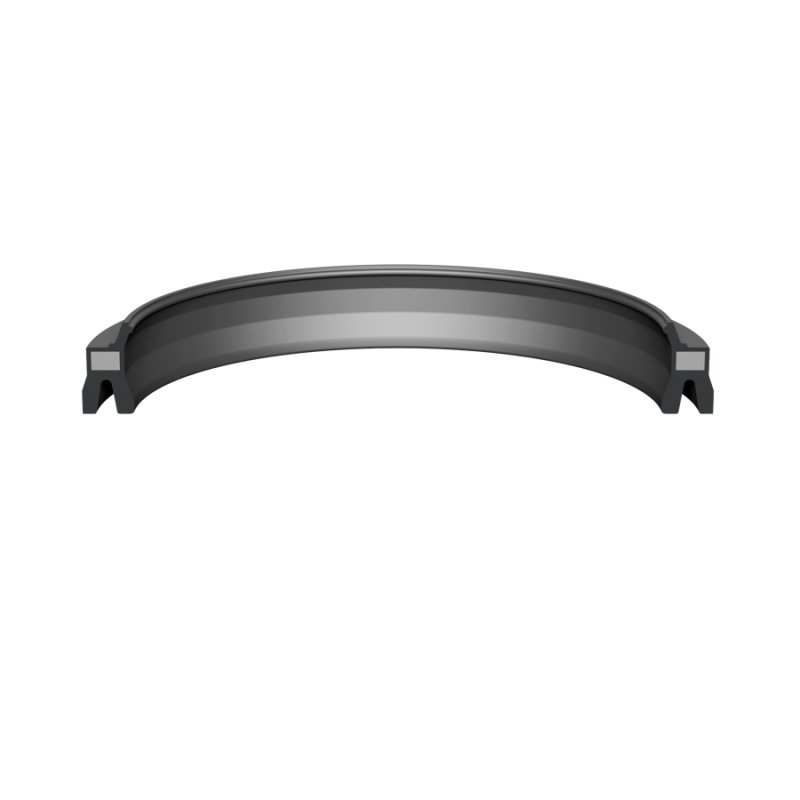
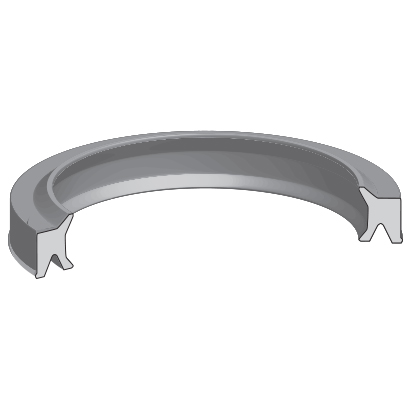
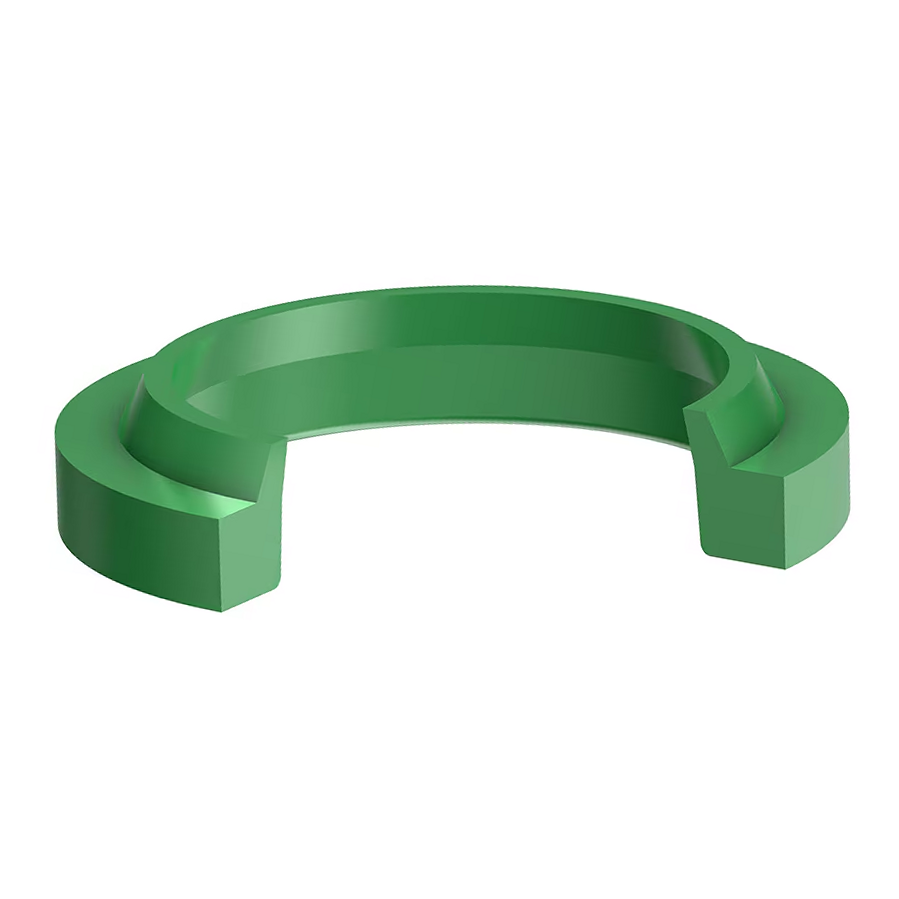
Snap-in single-lip wipers
A flexible, compact wiper for recessed or undercut housings and light-to-moderate external contamination.
Consider for: General industrial cylinders, material handling, machine tools and pneumatic cylinders.
Keep dirt, dust, moisture, mud and abrasive particles out of hydraulic and pneumatic cylinders. Choose snap-in or press-in, single- or double-lip profiles for metric, inch and custom applications.
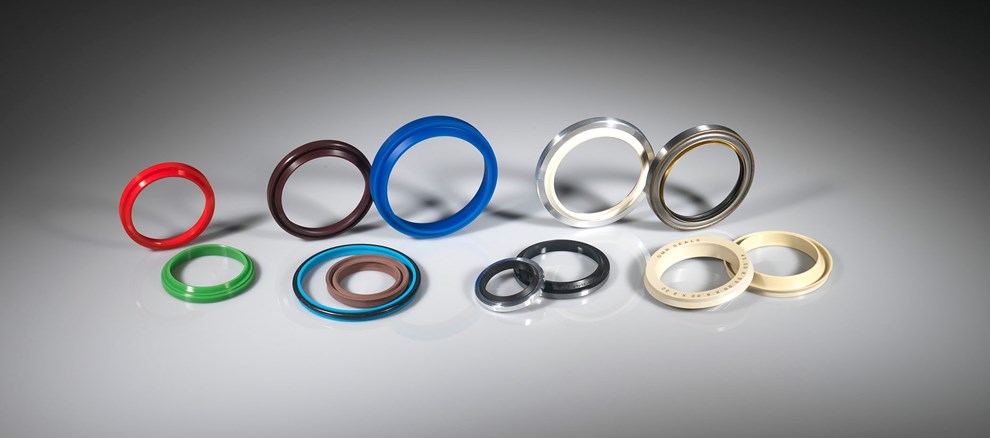
The housing determines whether a snap-in or press-in profile can be used. The contamination and oil-film requirement then guide single- or double-lip selection.
A flexible, compact wiper for recessed or undercut housings and light-to-moderate external contamination.
Consider for: General industrial cylinders, material handling, machine tools and pneumatic cylinders.An outward wiping edge plus an inward lip to help manage the residual oil film on the extending rod.
Consider for: Mobile hydraulics, long-stroke cylinders and wet or dirty environments.A rigidly reinforced or metal-cased wiper held by interference fit for secure seating and a firm wiping edge.
Consider for: Construction, agriculture, cylinder repair, presses and exposed hydraulics.A reinforced press-fit body combining external contamination exclusion with internal oil-film management.
Consider for: Heavy mobile equipment, hydraulic presses and severe-duty rebuilds.Auter’s published range includes metric and inch options across snap-in, press-in, single-lip and double-lip families. Existing series references should be used to begin a search or cross-reference, not to claim automatic interchangeability.
Use this comparison to narrow the family, then validate the actual series from a drawing, sample and operating data.
| Configuration | Housing / retention | Primary function | Contamination duty | Selection note |
|---|---|---|---|---|
| Snap-in, single lip | Flexible profile in a recessed groove | External wiping | Light to medium | Confirm groove form and oil-film behavior |
| Snap-in, double lip | Flexible profile in recessed or undercut groove | Wiping and residual film control | Medium to heavy | Check pressure relief and rod-seal compatibility |
| Press-in, single lip | Rigid or reinforced OD with interference fit | Firm wiping and secure retention | Medium to severe | Confirm bore and press-fit tolerance |
| Press-in, double acting | Reinforced press-fit body with two lips | Wiping, retention and film control | Heavy / exposed | Review the full seal stack and installation |
A wiper sits at the external side of the cylinder head. As the piston rod retracts, its edge removes contaminants before they can enter the cylinder and damage the rod seal, guide elements, wear rings or hydraulic fluid.
The wiper also interacts with the thin lubricating film left on the rod. Too little film can increase friction and wear; too much external oil can indicate a rod-seal, surface, alignment or seal-system problem. Select the wiper as part of the complete rod sealing system, not by diameter alone.
Selection is a system check: contamination, housing, compound, seal stack and validation all matter.
Define dust, moisture, mud, sand, chips, ice, washdown liquid or sticky residue.
Identify snap-in, press-fit or another gland design. ISO 6195:2021 addresses housing dimensions and tolerances; it is not a blanket seal-performance certification.
State medium, temperature, speed, duty cycle, abrasion, outdoor exposure and hardness requirements.
Review the wiper with rod and buffer seals, guides, venting, rod finish and expected lubrication film.
Confirm critical dimensions, tolerances and material, then agree samples and inspection or functional testing.
These are useful starting points, not universal temperature, speed or compatibility claims.
| Material family | Why it is considered | Typical fit | Confirm before selection |
|---|---|---|---|
| Polyurethane (PU) | Abrasion resistance and a firm wiping edge | Mobile and general hydraulic cylinders | Grade, hydrolysis, temperature, fluid, hardness and speed |
| Nitrile rubber (NBR) | Economical elastomer for compatible mineral oils | General hydraulic and pneumatic service | Oil formulation, temperature, ozone, weather and hardness |
| Fluorocarbon (FKM) | Broader chemical and higher-temperature potential than standard NBR | Compatible hot-oil or chemical service | Exact chemical, temperature cycle, low-temperature need and grade |
| PTFE-based | Low friction and broad chemical capability | High speed, chemical or special duty | Filler, energizer, scraping duty, surface, groove and leakage control |
| Metal-cased elastomer / PU | Rigid press-fit retention | Shock, vibration and exposed glands | Case coating, corrosion, bore tolerance and installation |
The wiper, rod surface, guides and primary seal must be evaluated together.
Mud, stone dust, impact and weather demand secure retention and abrasion resistance.
Soil, moisture, fertilizer exposure and outdoor storage shape compound and corrosion choices.
Fine abrasive particles put scraper geometry, guidance, alignment and rod finish under pressure.
Frequent cycling requires film control without trapping fluid between sealing elements.
Profile photos and measured hardware are more reliable than a stamped code alone.
Friction, cycle rate, lubrication and combined wiping/sealing functions require review.
Auter reviews standard and custom enquiries from dimensions, drawings, samples or reference numbers.
Snap-in and press-in construction with single- and double-lip functions.
Support for new builds, replacements and non-standard hardware.
Multiple construction routes reviewed against the stated application.
Connect wipers with rod seals, piston seals and guide elements.
The terms overlap and are often used for the same contamination-exclusion function. “Dust seal” commonly describes lighter dry-contamination service, while “scraper” may imply a more aggressive profile for mud, ice or bonded debris. Geometry, material, housing and duty are more important than the name.
No. The wiper sits at the outside of the cylinder head to keep contamination out. The rod seal sits farther inside to retain pressurized fluid. They work as a system and should be evaluated together.
A single-lip design is often suitable where the main requirement is external wiping and the rod-sealing system manages the oil film well. A double-lip design adds an inward-facing function for residual oil-film control, but the complete stack must avoid trapping fluid or pressure between seals.
Press-in designs use a rigid or reinforced outside diameter and an interference fit. They are considered where secure retention, vibration resistance or a firm scraping edge is needed. Housing dimensions and press-fit tolerances must be confirmed.
There is no universal best material. Polyurethane is often considered for abrasion resistance, NBR for general mineral-oil hydraulic service, FKM for compatible higher-temperature or chemical conditions, and PTFE-based designs for low friction or special media. The actual compound must match the full application.
Auter can use an existing reference to identify candidates. Final approval requires comparison of geometry, dimensions, material, hardness, groove, operating conditions and seal-system function. A cross-reference is not proof of exact interchangeability or OEM origin.
At minimum, provide rod diameter, groove or housing diameter, groove width, and a clear profile photo or drawing. Operating medium, temperature, speed, contamination, rod surface and quantity improve selection accuracy.
Visible oil may result from the rod seal, excessive lubrication film, damaged rod surface, misalignment, trapped fluid between lips, or an unsuitable wiper and rod-seal combination. Diagnose the complete rod-sealing system before replacing only the wiper.
Inspect the wiper whenever the rod sealing system is serviced. Replace it when the lip is cut, hardened, permanently deformed, loose in the housing, excessively worn, or no longer removes contamination reliably. Also inspect the rod, groove, guides and primary rod seal.
Send the rod and groove dimensions, application, medium, temperature, speed, contamination and quantity. Add a drawing, profile photo or current reference in the message when available.
A size or reference helps us respond with a more relevant option. Final suitability is subject to engineering confirmation.